
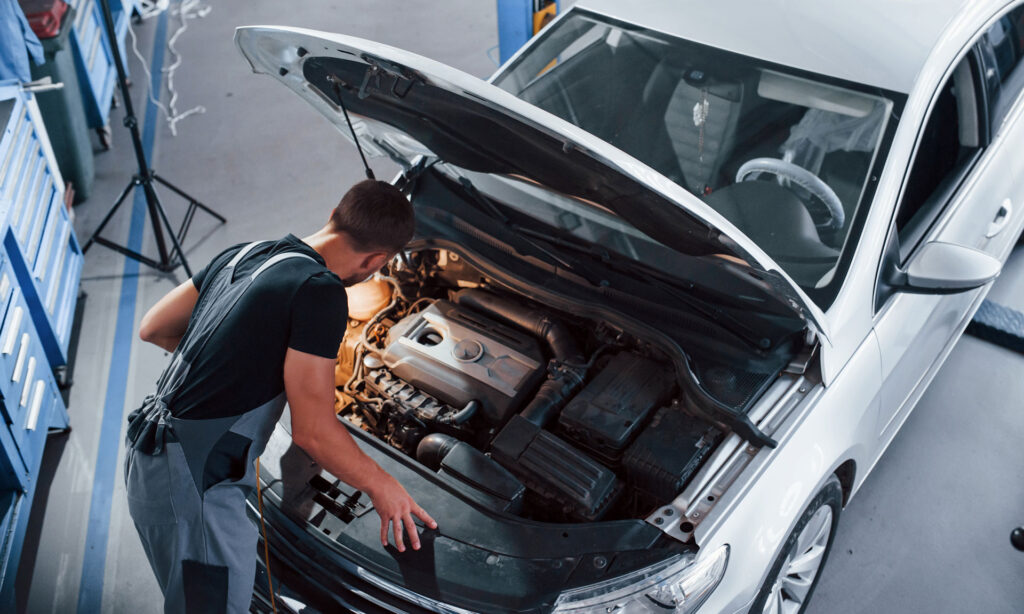
Hybrid vehicles require specialized knowledge and careful maintenance. At Naylor’s Auto Repair, our technicians are trained to service hybrid, plug-in hybrid, and electric-assist systems. We provide accurate diagnostics, battery care, and manufacturer-recommended maintenance to keep your hybrid running efficiently and reliably.
While the hybrid boom may have only recently begun to pick up speed, its origins date back to well over a century ago. Porsche developed the first hybrid automobile in 1899, but the System Lohner-Porsche Mixte was quickly overtaken by Henry Ford’s affordable gasoline-powered vehicles. Fast forward over half a century later, and Congress passed legislation meant to garner public support for emissions reductions. It wasn’t until the Arab oil embargo in 1973 that the US became more seriously invested in hybrid vehicles.
With evidence of mounting public support, car manufacturers went all-in, pouring billions into research and development of hybrid autos. The 1990s brought a few early entries into the non-gas-powered auto arena, including two all-electric vehicles from GM and Toyota that fell out of production nearly as quickly as they were introduced. In 1999, Honda released Insight, the first hybrid electric vehicle to be mass-produced in the US. Yet the Honda Insight is not exactly a shining example of what comes to mind when the word ‘hybrid’ is mentioned: that distinction goes to none other than the Toyota Prius.
The Toyota Prius was first introduced in the manufacturer’s home country of Japan in 1997, marking the true birthplace of hybrids as viable alternatives to gasoline-powered vehicles. In 2000, the Prius finally made its debut in the US and since then, the world hasn’t looked back. The Prius is the most popular hybrid vehicle ever produced, and the eco-friendly sedan has found itself to be the basis for many other vehicles produced over the years. The hybrid and plug-in hybrid auto market continues to grow, giving the Prius more competition to look out for—including Toyota’s own RAV4. Yet the Prius is still among the top-sellers in US hybrid cars more than 20 years into its reign.
There are many selling points on a Prius, but overall fuel economy is one of the main reasons hybrid vehicle owners have come to rely on the Prius time after time. With an impressive EPA rating of 52 combined miles per gallon, if you’re one of the millions of Prius owners then you know this hybrid is built for the long road. That being said, even your trusty Toyota Prius will need expert maintenance or repairs to help keep it running smoothly for years to come
Better fuel economy. Hybrids combine an internal combustion engine and an electric motor to reduce fuel use in city and mixed driving.
Lower engine wear. The gasoline engine runs less, which can extend engine life.
Reduced brake wear. Regenerative braking reduces pad wear and extends service intervals.
Strong long-term value. With proper maintenance, many hybrid battery systems can last well into the high hundreds of thousands of miles.
Hybrids have two battery systems, a high-voltage traction battery and a traditional 12 volt battery. The high-voltage battery can often last 200,000 miles or more with proper care. We inspect battery health, test cell performance, and repair or replace cells when needed.
Many hybrids use separate cooling circuits and may require specialty coolant. Follow manufacturer recommendations for coolant type and service interval. Proper cooling helps preserve inverter and battery life.
Regular transmission service is important, because the transmission helps with regenerative functions and battery charging. Neglecting fluid changes can accelerate battery wear. A common guideline is to check transmission fluid and service it around every 50,000 miles, or as your vehicle manufacturer recommends.
Regenerative braking reduces friction brake use. We inspect regenerative components and conventional brakes to ensure safe stopping performance and even wear.
Hybrid battery life varies, but many last around 200,000 miles with proper care. We recommend regular battery health checks to detect issues early.
Yes. We work on all major hybrid makes and models, including Toyota, Honda, Ford, and others.
Some hybrid-specific items may cost more, such as specialty coolants or battery repairs. Overall, hybrids often require fewer frequent repairs and deliver fuel savings over time.
Some hybrids have separate coolant circuits and may require specific coolant types. We follow manufacturer service specifications for all fluids.
Yes. Routine inspections, timely fluid service, and battery testing help prevent costly failures and extend the life of your hybrid system.
Whether you need diagnostics, routine maintenance, or major repairs, our certified team is here to keep your vehicle running safely and smoothly. Count on honest service, expert technicians, and quality work backed by a nationwide warranty.
Choose the location where you'd like to schedule your service.